What is Pulmonary Fibrosis Management?
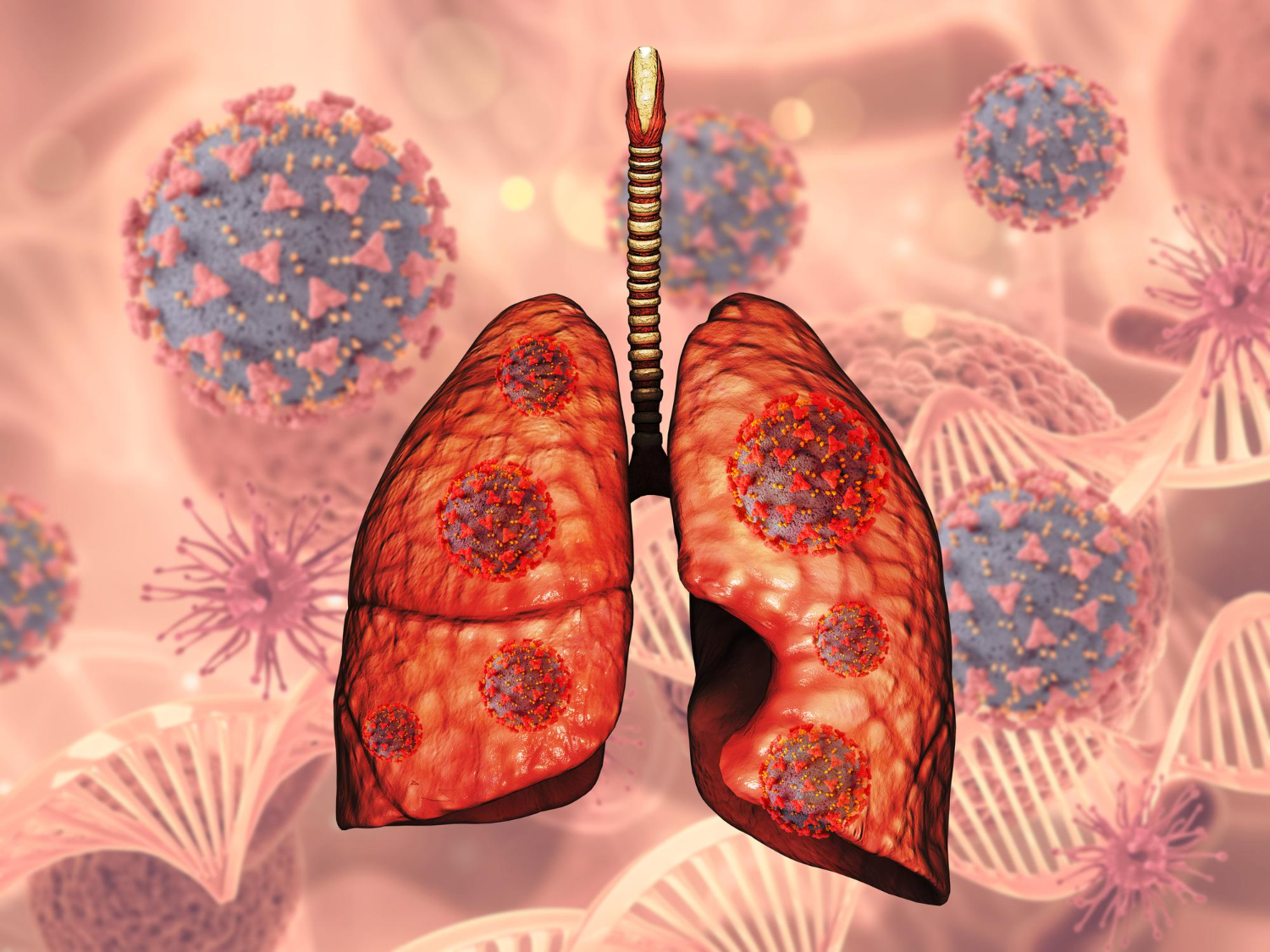
Pulmonary Fibrosis management focuses on diagnosing, treating, and slowing the progression of a chronic lung disease characterized by scarring (fibrosis) of the lung tissue. As the lungs become scarred, breathing becomes increasingly difficult, leading to symptoms such as persistent dry cough, shortness of breath, fatigue, and reduced physical endurance. Dr. Ramees Najeeb, Lead Senior Consultant Interventional Pulmonologist, provides comprehensive evaluation and personalized treatment plans to help manage pulmonary fibrosis, relieve symptoms, preserve lung function, and improve overall quality of life.
Benefits of Professional Pulmonary Fibrosis Management
Early diagnosis and specialized treatment play a crucial role in slowing disease progression and minimizing complications. Dr. Ramees Najeeb develops individualized care plans based on the severity of the condition, underlying causes, and each patient’s overall health. His evidence-based approach includes advanced diagnostics, medication management, pulmonary rehabilitation guidance, and regular follow-up to optimize long-term respiratory health.
Benefits include:
Early and accurate diagnosis
Personalized treatment plans
Slowed progression of lung scarring
Improved breathing and lung function
Better management of cough and breathlessness
Regular monitoring of disease progression
Enhanced quality of life and physical activity
Comprehensive long-term respiratory care
Timely treatment and continuous monitoring help patients maintain better lung function, reduce complications, and improve overall well-being.
Why Choose Dr. Ramees Najeeb for Pulmonary Fibrosis Management?
With over 13 years of experience in Pulmonary Medicine, Interventional Pulmonology, Critical Care, and Sleep Medicine, Dr. Ramees Najeeb offers expert care for patients with pulmonary fibrosis and other complex interstitial lung diseases. He combines advanced diagnostic techniques, evidence-based therapies, and personalized treatment strategies to accurately assess disease progression and provide comprehensive care. His patient-centered approach focuses on preserving lung function, improving breathing, enhancing quality of life, and supporting patients throughout every stage of their treatment journey.